Understanding Security Compliance: A Comprehensive Guide

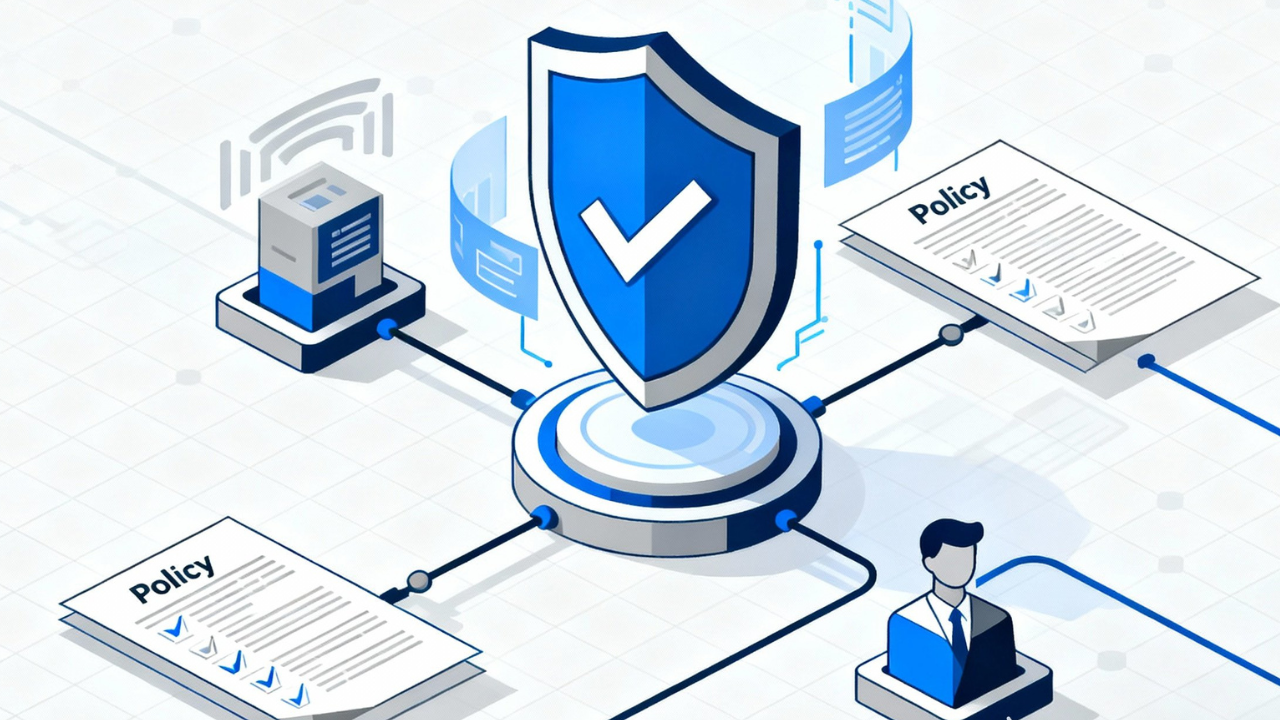
Well, keeping sensitive stuff safe? It’s a given for any business, no matter what line of work you’re in. And that’s exactly where security compliance comes in. It isn’t just a nice-to-have, you know. It’s your blueprint. Your solid plan to keep your company’s crown jewels – your assets, your customers’ faith, your very finances – out of hot water with the law. Big headaches. So, it’s more than just ticking boxes for regulations. We reckon it’s part and parcel of running things properly these days.
What is Security Compliance?
So, what are we on about, really? Think of it like this: security compliance is the whole enchilada. All those safeguards and particular ways your outfit gets things done. You’re doing it to meet the rules, industry norms, even your own internal guides for data safety. It’s a deliberate sort of gig, honestly. We’re talking about getting your everyday stuff, your IT systems, and every single step aligned with security marks. The ones regulators set. Or the common frameworks.
And getting there? Not a flash in the pan, mind you. It means setting up sturdy ways to manage risks and keep things buttoned up. Why? To genuinely keep your data and systems out of harm’s way. Proving it? Usually with outside audits. They’re critical.

Why is Security Compliance Important?
So, why fuss over security compliance? Well, it’s pretty plain to see, isn’t it? For starters, it keeps a tight lid on your sensitive information. It seriously lessens the odds of data breaches. And those unwelcome folk snooping around your customer data, your bank accounts, or your secret sauce. Nobody needs that headache. Plus, it fosters belief. People trust firms that play by the rules. It says you’re serious about keeping their personal stuff private.
And frankly, playing by the book helps you duck those eye-watering legal penalties, big fines, and a court date. No thanks. What’s more, it keeps the gears turning without a hitch. By making security hiccups few and far between, compliance plays a big part in keeping your business on an even keel.

Key Security Compliance Frameworks and Regulations
You’ll find heaps of rules and frameworks steering companies towards security compliance. Honestly, I’ve noticed the sheer number can make your head spin. Take GDPR, for example; that’s for data privacy over in Europe. Right here in America, HIPAA takes care of health info. And then PCI DSS? That one’s all for keeping credit card details under wraps. For general advice, look at stuff like ISO 27001 or the NIST Cybersecurity Framework (NIST CSF). They give you pretty solid game plans for handling information safety and dealing with digital nasties.
Challenges in Achieving and Maintaining Compliance
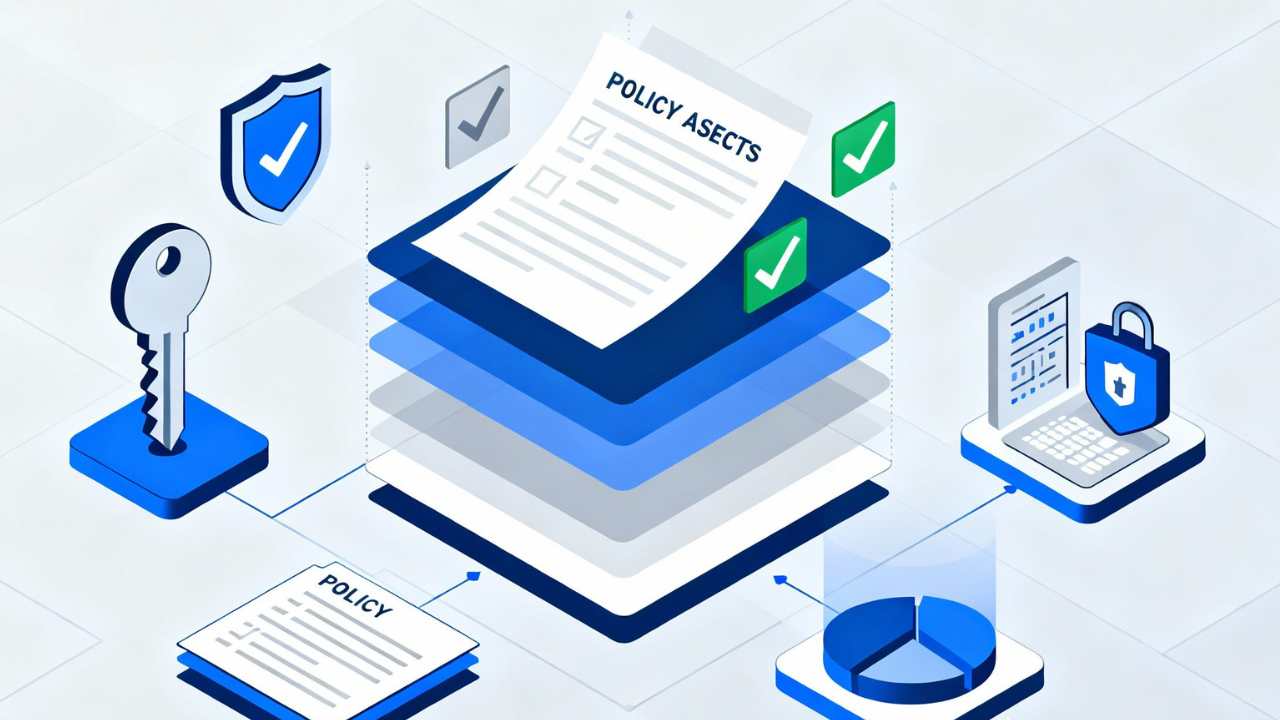
Getting and keeping up with security compliance? It can feel like pushing a boulder uphill sometimes. We’ve definitely watched businesses wrestle with it. You’re trying to figure out loads of different, sometimes clashing, duties across various places. Ring any bells? Money’s often tight – budgets are a real headache, and getting hold of enough skilled tech security folk is always a tough nut to crack. That just makes everything harder. And tech itself? It fair whizzes along, always throwing up new weak spots that can make your current defences old hat almost before you can blink. Looking after compliance also means always changing with the rules. And getting all sorts of teams to pull together. A proper balancing act, that is.

Best Practices for Robust Security Compliance
So, what’s the secret sauce for making security compliance solid as a rock? From what I’ve seen, a couple of things really shine. You’ve just got to do regular risk checks and internal reviews. No two ways about it. Write clear security rules, then back that up with constant staff training. Your crew can make or break things, can’t they? Using tech smart, stuff like automatic watching and tough encryption, really gives your security a shot in the arm. And it’s not a ‘one-and-done’ deal, either. Keep making things better: look over your policies regularly, and always keep your ear to the ground for new threats and changes in the rules.

Conclusion
Alright, let’s break it down: security compliance isn’t just about dotting i’s and crossing t’s legally. It’s a proper shrewd investment, that. We think it makes a world of difference to how long your outfit stays afloat, and what folks think of your name. Taking compliance on board gives you a straight shot at handling risks like a pro. It builds real confidence with your customers. And it keeps your business trucking along, come hell or high water. That’s how businesses truly get ahead, safe and sound, in this ever-changing digital game.