Understanding Ransomware: Threats, Prevention, and Recovery

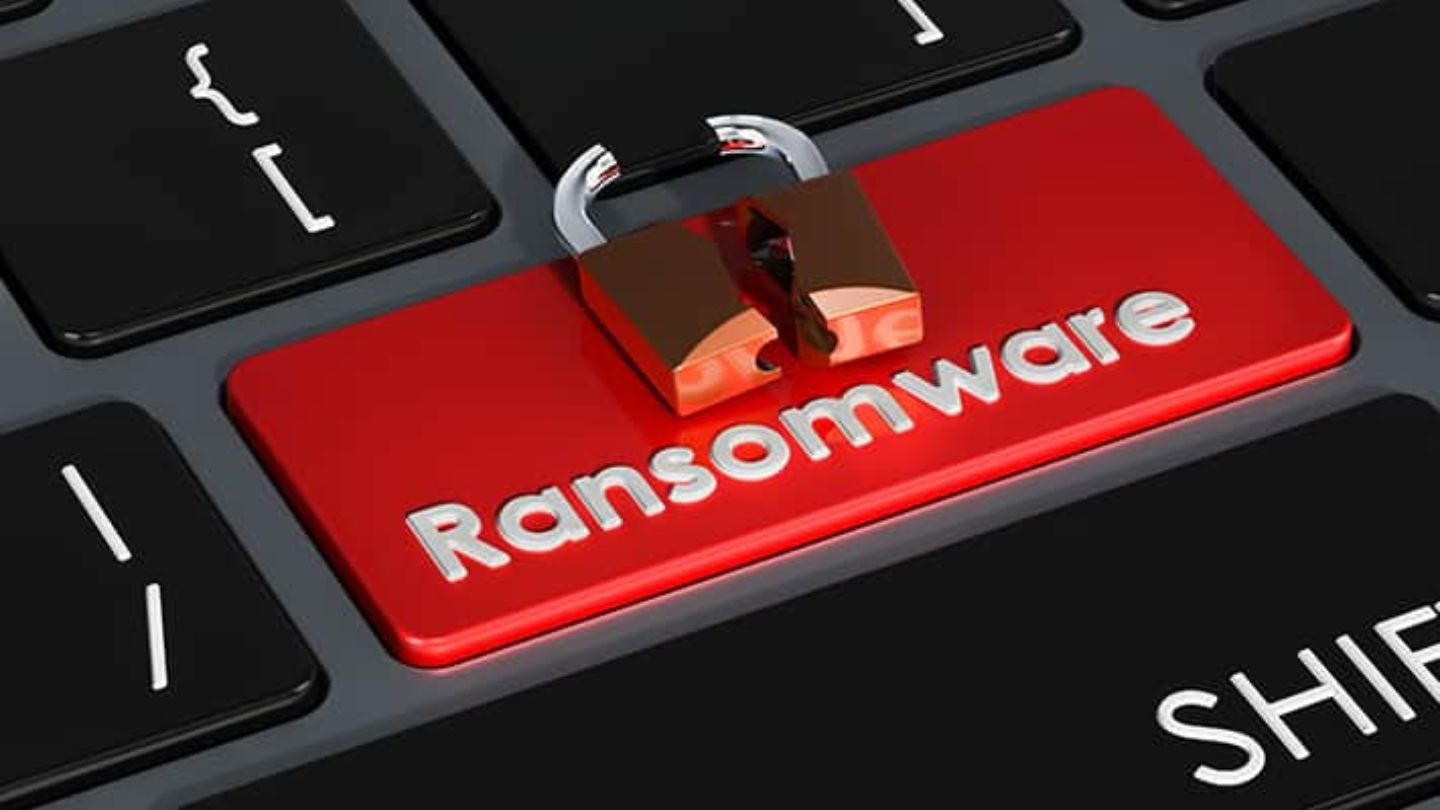
Cybersecurity threats are everywhere. But Ransomware? It’s something else. We’ve seen it become one of the most damaging cybercrimes out there. This malicious software holds your critical data or entire systems hostage, demanding payment for their release. Understanding ransomware’s nature, its impacts, and, truly, how to prevent and recover from it? We believe that’s vital for everyone. Let’s explore.
What is Ransomware?
What is Ransomware? It’s malicious software, malware, that simply locks you out. It stops you from accessing your files, systems, or networks. Typically, it encrypts your data or locks your device, then demands a ransom – usually cryptocurrency – for a decryption key or access back. This isn’t new; it dates back to the 1980s. But modern versions have evolved. Many now use “double extortion,” threatening to publish your stolen data if you don’t pay.
Common Ransomware Threats and Impact
What sort of Ransomware threats are we up against? You’ve got crypto-ransomware, which encrypts files, and locker ransomware, blocking your entire system. We’ve seen variants like Akira, Clop, and Hunters International hit businesses across diverse industries. They often exploit system weaknesses or use social engineering.
The impact? It’s severe. Significant financial losses from ransoms, huge operational disruptions, costly recovery. Beyond money, organizations face reputational damage, legal woes. Individuals? Lost personal data, emotional distress.
Preventing Ransomware Attacks
How do we actually stop these things? Preventing Ransomware demands a multi-layered strategy. First, and non-negotiable: regular, offline data backups. They must be isolated from your main network. Follow the “3-2-1 rule”: three copies, two media types, one offsite. That’s your safety net.

Ransomware Recovery Strategies
What if an attack does get through? You need a clear recovery plan. First: contain and isolate infected devices from the network. Stop the spread immediately. And a major warning: don’t just shut down infected machines or erase encrypted files. We believe they might hold valuable data for forensic analysis or potential decryption. Preserve those clues.
The most reliable way to recover data? Restore from your clean, secure backups – the ones maintained offline. That’s why they’re so important. Organizations also need an incident response plan. It guides actions, verifies data integrity, and ensures systems are malware-free before resuming operations.

Wrapping Up
Look, Ransomware isn’t disappearing. It’s a serious, evolving cyber threat. But we’re not helpless. Understand its workings. Prioritize prevention: regular backups, proper employee training. Have clear recovery strategies in place. Do that, and you’ll build resilience against these destructive attacks. Safeguard your digital future.
Quick Answers
What’s the main point of a Ransomware attack?
Financial gain, always. They hold data or systems hostage for payment. Pure extortion.
How can we best protect against Ransomware?
Regular, isolated backups, updated software, strong email security, MFA, and training. Those are non-negotiable.
Should you pay the Ransomware demand?
No. FBI advises against it. Paying encourages crime; no data guarantee. Bad idea.