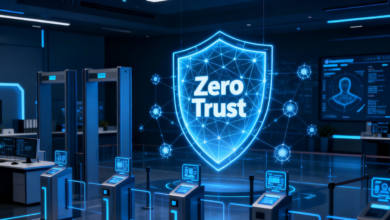
Everything’s connected, right? Just the way the cookie crumbles. Keeping your stuff safe—be it company secrets or snaps from your holiday—isn’t merely shrewd; it’s dead important. Cyber threats? They get uglier by the minute. So, solid information security habits? Absolutely the foundation. This whole area’s about the plans, the steps, and the gizmos that keep data under wraps, stopping folks from poking around, using it, sharing it, messing it up, changing it, or just plain wrecking it.
Getting these fundamentals down isn’t a “nice-to-have.” Nope. It’s how we keep privacy, our day-to-day work, and the trust folks place in us all buttoned up. And I mean that.
What is Information Security?
So, what is information security (InfoSec), really? Well, it’s how we look after information, plain and simple, by taking the edge off any risks. That means having solid rules, clear ways of doing things, and the right gear. We keep a close eye on sensitive business and personal data—whether it’s on a screen or on paper.
The aim? To keep super important bits (like customer lists, money info, or clever ideas) safe and just for those who need to see ’em. InfoSec also helps pick up the pieces when stuff goes wrong, like data getting fiddled with, nicked, or wiped out. And let me tell you, those kinds of happenings don’t just throw a spanner in the works; they properly trash a company’s good name. Been there, seen that.
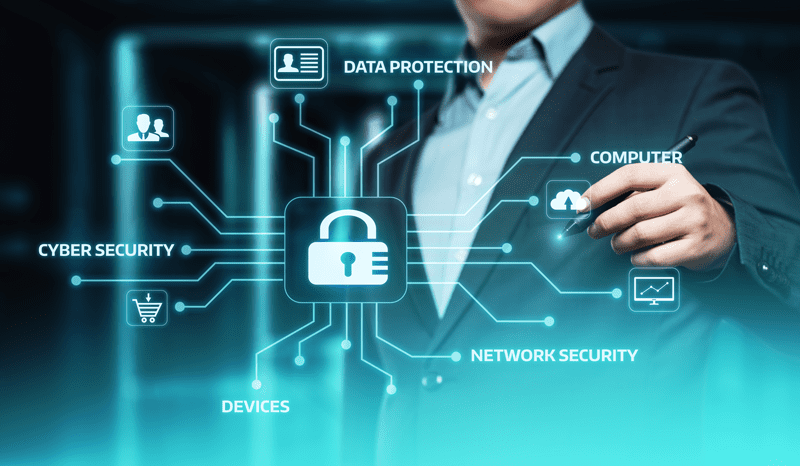
Core Pillars of Information Security
So, how do we actually do information security? Right. It all boils down to the CIA Triad: Confidentiality, Integrity, and Availability. These are the big three.
Confidentiality? That’s about making sure only the right people get to lay eyes on sensitive stuff. We’re talking encryption, really tight access rules. Then there’s Integrity, which is making dead sure the data is spot on, whole, dependable; not a single unwanted tweak. Hash functions? They’re the proof in the pudding for that. And Availability, finally, means authorised users can get at systems and data whenever they need ’em. This fends off things like DDoS attacks or busted systems. Losing access? Forget about it. A real deal-breaker.
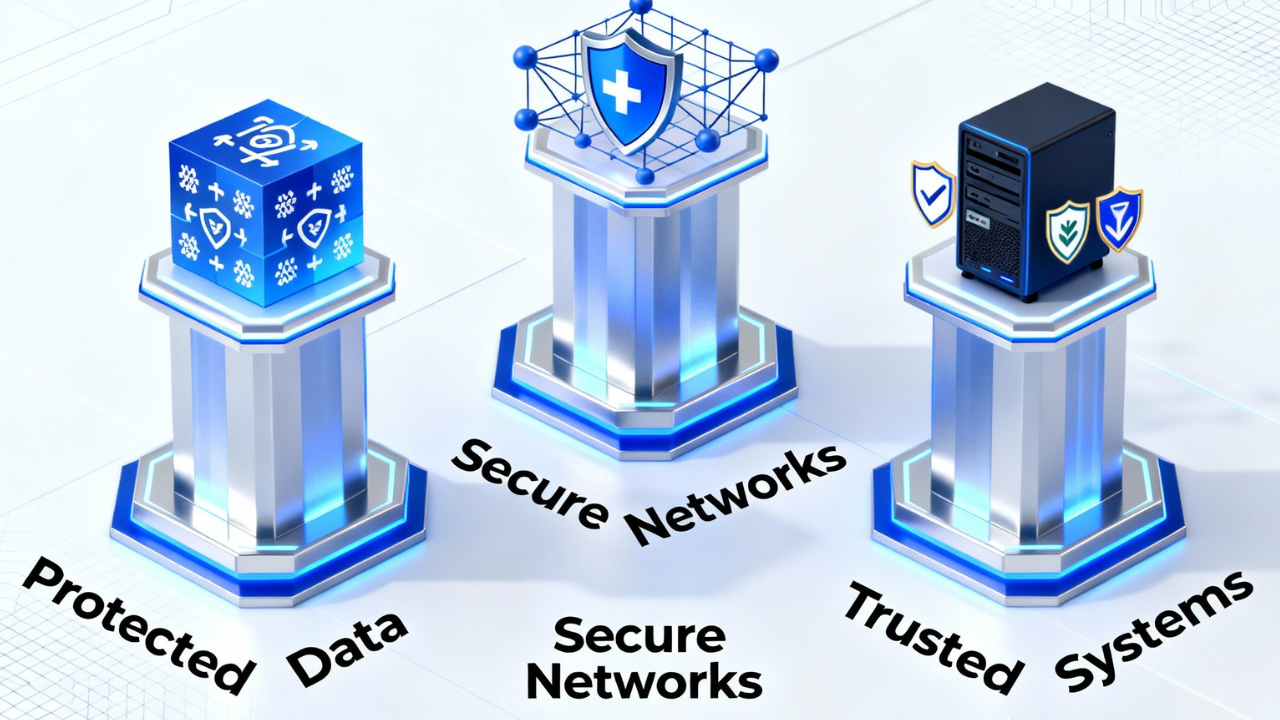
Understanding Threats to Information Security
So, what’s out there trying to mess with our information security? Oh, loads. And it never sits still. We’re still grappling with the big guns: ransomware (that’s encrypted data, with folks demanding cash) and clever phishing schemes (where they trick people into giving up passwords and such). Honestly, it’s a never-ending scrap.
Malware? Still a massive headache; even the AI-driven bits can throw systems off kilter and cause all sorts of leaks. And then there are those distributed denial-of-service (DDoS) attacks, people from the inside causing trouble, and weak spots from systems that haven’t been fixed up or dodgy parts in the supply chain. It’s a proper uphill struggle, keeps us on our toes.
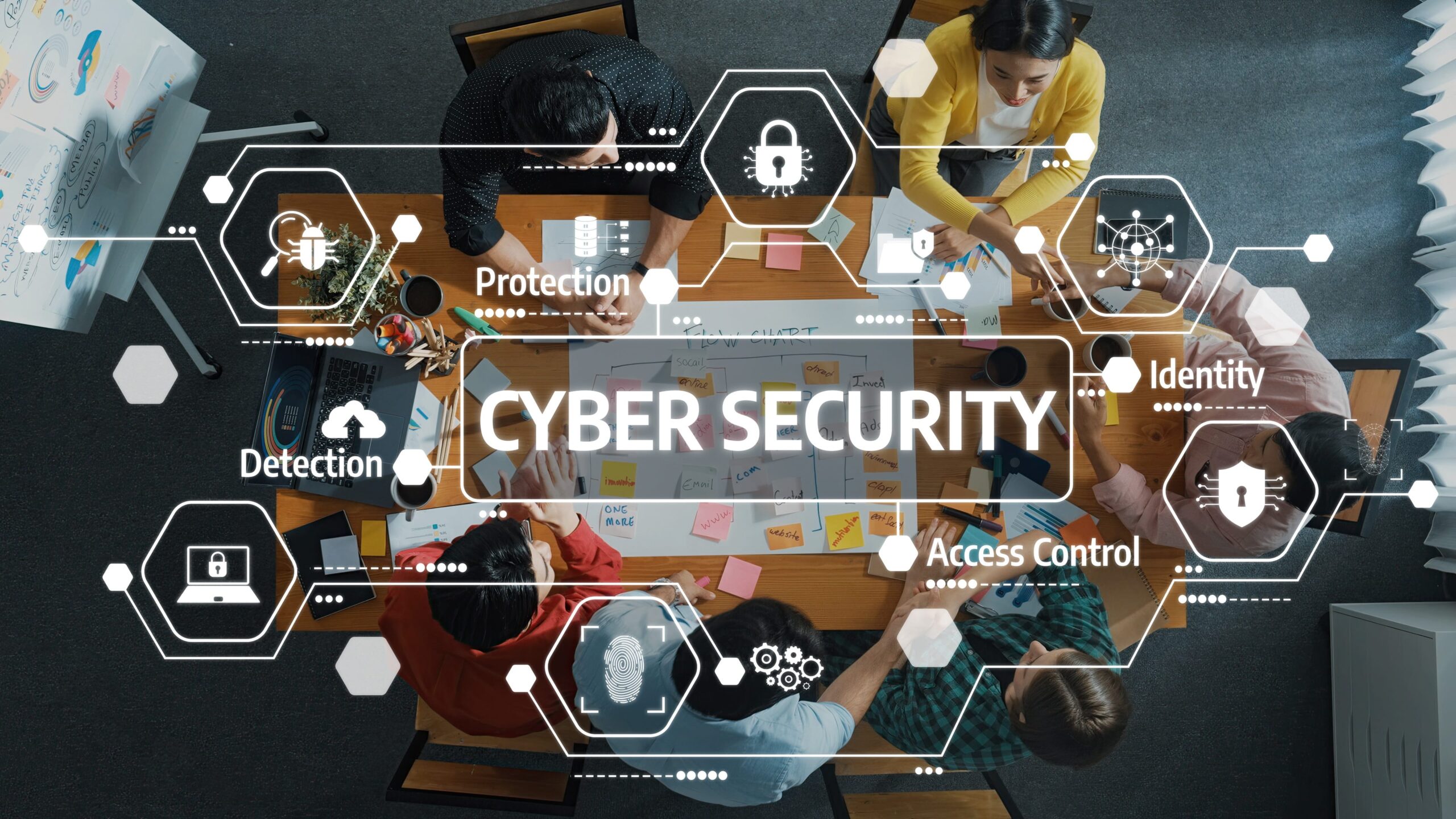
Implementing Effective Information Security Measures
So, how do we actually get information security ticking over properly? Well, it’s never just one quick fix, is it? More like a whole bunch of sensible moves, if you ask me.
Right off the bat, having tight access controls is super important—meaning only certain folks can see certain data, based on their job. And always, always use multi-factor authentication. Getting those regular security updates and patching up weak spots? That’s not just important; it’s non-negotiable. Encrypting sensitive data is a given, whether it’s just sitting there or whizzing about.
Don’t you dare forget about regular data backups, splitting your network up, and making sure everyone on the team gets solid security awareness training. These aren’t mere suggestions; they’re your best bet against social engineering and other sneak attacks. And trust me, they seriously pull their weight.
Wrapping Up Our Digital Shield Talk
Is information security truly a must-have? You bet your bottom dollar it is. It’s the way we keep every single bit of precious data and all our systems out of harm’s way. So, by getting a handle on what it’s all about, figuring out the bad guys, and actually putting in good safety steps, we—everyone from single folks to big companies—can really shore up our defenses.
Being one step ahead isn’t just smart thinking; it’s the only game in town. This makes sure our data stays secret, untouched, and ready when we need it. That’s what we’re aiming for, full stop.