Keeping networks and all your bits and bobs safe isn’t just clever; it’s plain necessary. And proper firewall security? It’s a real workhorse in any cybersecurity kit. These aren’t just some shiny gadgets. They’re your main line of defence, watching the traffic, keeping the nasties out. Getting your head around how they tick and why they count? That’s step one against the digital villains.
What is a Firewall and How It Works?
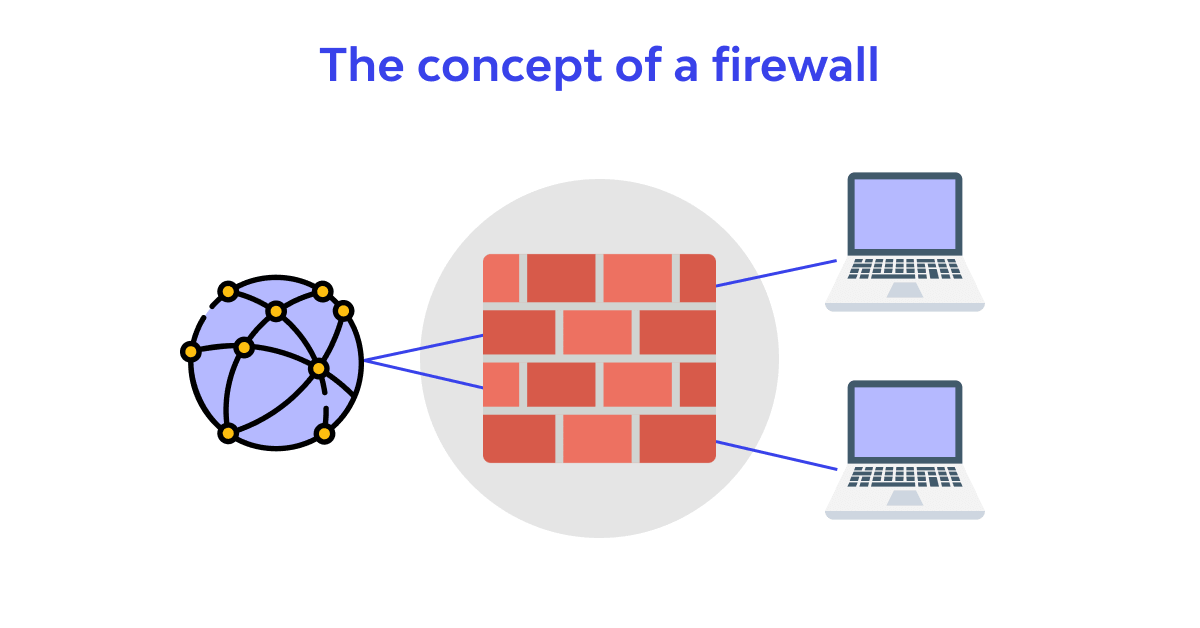
So, what is a firewall, anyway? Well, think of it like your network’s own bouncer at the door. It’s a system, you see, that keeps an eye on all the digital traffic – stuff coming in, stuff going out – deciding what gets a pass based on its rulebook. Hardware, software, or a bit of both; they do the job.
It basically sits right at your network’s edge, creating a clear line between your trusted internal systems and the big, bad internet. And every data packet? It checks it, runs it against its rules, then either waves it through or gives it the old heave-ho. This stops folks getting in who shouldn’t, squashes dodgy content, and keeps everything snug. Pretty clever, right?
The Importance of Robust Firewall Security
Right then, strong firewall security is really important. Why? Because the online nasties are always shifting, always getting new tricks up their sleeves; you just need something rock-solid guarding your back. Firewalls are your frontline defence, plain and simple, stopping access you don’t want, keeping malware away, and saving your data from going walkies.
And these systems keep watch, filtering all that internet noise, blocking the bad stuff like viruses, ransomware, and spyware before they can even get a foot in the door. So, they even make things run smoother by sorting out your bandwidth. For businesses, this means all your hush-hush data stays under lock and key, you hit all your regulatory marks, and your good name stays squeaky clean. A decent firewall just gets the job done.
Different Types of Firewall Security Solutions
Firewalls, you know, aren’t a ‘one size fits all’ sort of deal. Nope. They’ve really changed over time, bringing solutions for pretty much any security situation you can think of. Your basic packet-filtering firewalls are like the simplest bouncers, just checking packets based on their IP address and port number. Then you’ve got stateful inspection firewalls; they’re a bit sharper, keeping tabs on active connections.
Proxy firewalls? They’re the go-betweens, filtering traffic right at the application level. But the big leap? That’s the Next-Generation Firewalls (NGFWs). These aren’t like what your old man used to tinker with; they come loaded with deep packet inspection, intrusion prevention, and application control. And don’t forget hardware, software, cloud, and Unified Threat Management (UTM) firewalls are out there too. Plenty to chew on.

Key Features and Benefits of Modern Firewalls
Modern firewalls, the NGFWs in particular, bring a lot more to the table than just basic packet sifting. We reckon they’ve got some serious perks. Top features include deep packet inspection (DPI), which means really digging into content for anything dodgy.
And they usually pack intrusion prevention systems (IPS) too – so they’re on the lookout for known baddies and stopping them dead in their tracks. Application control? That’s for managing what apps can do. The good stuff is pretty plain to see: cracking protection from malware and ransomware, a much clearer picture of your network goings-on, safe remote access through VPNs, and simpler, all-in-one management. So, these capabilities help businesses stay shipshape, meet the rules, and keep everything running like a dream.
Conclusion
So firewall security is still right at the heart of keeping your network safe and sound. It acts like a bulldog, protecting against folks getting in who shouldn’t and all sorts of nasty digital shenanigans. Keeping your firewall up to snuff? That’s a must-do. Take our word for it.