Why Your Business Needs Solid Cloud Security Now
Businesses today can’t avoid the cloud. So many operations now run there. This makes a strong Cloud Security process absolutely non-negotiable. We’re talking about protecting your sensitive data, your apps, and your core infrastructure from bad actors. Without it, you’re risking business continuity and probably falling short on regulatory compliance. A good security process lessens the chance of unauthorized access or a data breach, meaning you can actually use cloud technologies without constant fear. It’s that simple.

Understanding the Cloud Security Journey
Securing cloud environments isn’t a one-and-done project. It’s an ongoing effort, a cycle of identifying, protecting, detecting, responding, and then recovering from security events. Where does it all begin? Usually, it starts with understanding your organization’s cloud presence. You need to know exactly which critical systems, applications, and data live across your different cloud providers and even on-premises.
What’s a major point to grasp early? The shared responsibility model. It’s often misunderstood. Cloud providers handle the security of the cloud infrastructure itself. But you, the user, are responsible for securing everything in your cloud environment – your data, your applications, your access. This distinction is vital for any effective security approach; it closes potential gaps before they even open.

Key Phases of the Cloud Security Process
This process generally moves through distinct phases. We usually kick things off with a deep assessment. You’re looking to identify sensitive or regulated data, then figure out exactly how it’s being accessed and shared. This includes sniffing out “shadow IT”—those unknown cloud services people are using—and scrutinizing configurations for your Infrastructure-as-a-Service (IaaS) setups. Are they secure? Probably not without scrutiny.
The next step is all about protection. This means putting data protection policies into action, encrypting anything sensitive, and setting up good malware defense. A core piece of this stage involves building out a tough security architecture. We often recommend a Zero Trust model here; it insists that every single access request gets verified, authenticated, and authorized. No exceptions. Finally, you move into constant monitoring and incident response. This might mean asking for more verification during high-risk scenarios or tweaking access policies as new services pop up.
Implementing Robust Cloud Security
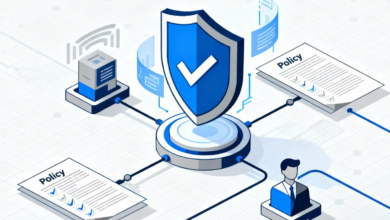
To actually put strong Cloud Security into practice, you need a collection of reliable best practices. First, establish and enforce clear security policies. These should lay out your rules for data classification, access controls, how you respond to incidents, and encryption. And speaking of encryption: it’s essential for data, both at rest and moving around, to keep it hidden from those who shouldn’t see it.
Strong identity and access management (IAM) forms another cornerstone. We’re big believers in phishing-resistant multi-factor authentication (MFA) and the principle of least privilege. What’s that mean? Users and systems get only the access they absolutely need. Nothing more. Oh, and regular audits? Plus continuous monitoring for any misconfigurations? Those are non-negotiable for maintaining good security. Period.

What We’ve Learned
Mastering cloud security isn’t just a suggestion; it’s an ongoing requirement for any organization using the cloud. When you truly grasp the shared responsibility model, and then diligently work through the security phases, applying those best practices—think strong IAM, data encryption, and constant monitoring—you’ll make a real difference to your security standing. We’ve found this kind of focused, layered effort keeps cloud environments safe from many cyber threats. It builds confidence and lets businesses truly leverage their digital capabilities securely.