Cybersecurity for Remote Teams: Best Practices for a Distributed Workforce

Working from home is changing how companies run things, making online safety a big issue across the globe. People between 20 and 50 use apps, cloud services, or video calls every day to get work done from different spots. While this setup brings freedom and speed, it opens doors to fresh digital threats instead. Staying safe means smart prep, solid habits, along with regular attention to risks.
The Rising Cybersecurity Risks of Remote Work
Remote teams work beyond standard offices, so they usually rely on private gadgets, open internet spots, or household routers – many don’t meet company safety rules. That setup opens doors to leaks, viruses, along with unwanted entry points. On top of that, hackers now focus more on off-site staff using fake messages or manipulation tricks, taking advantage of loose protections and how people act.
Facing these dangers helps you start creating tougher protection while avoiding expensive breaches – so one leads to the next. Instead of ignoring threats, taking action now keeps problems from growing later.
Key Cybersecurity Best Practices for Distributed Teams
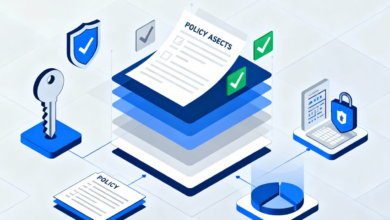
1. Implement Strong Authentication Methods
Folks using weak passwords can’t keep business data safe anymore. Companies need MFA so workers confirm logins with extras – like a quick code or fingerprint scan. That cuts down break-ins while making accounts tougher to crack.
2. Use Secure Communication and Collaboration Tools
Folks working from different spots often send private info using chat apps or emails – sometimes even over video calls. To keep hackers out, those tools need strong encryption that locks messages tight between users. On top of that, businesses ought to lay down rules about where files go, how they’re saved, and who can reach company networks.
3. Encourage Safe Home Network Practices
Home networks without security often lead to cyber dangers. Workers need reminders to protect Wi-Fi using tough passwords, skip factory router setups, while keeping gadgets up to date. For those working remotely, giving them VPNs helps shield data since it scrambles online activity.
4. Maintain Regular Software and Device Updates
Older apps usually have weak spots hackers love to target. Companies need to turn on auto-updates for their main systems, virus scanners, or office software. Workers from home must check that their own gadgets follow safety rules so they don’t accidentally mess up company networks.
5. Provide Continuous Cybersecurity Training
People still make mistakes, especially when working from different places. Training now and then helps those at home spot fake emails or weird web pages. When staff learn more, they act smarter online, so the business stays safer. Knowledge turns them into real helpers for security.
6. Establish Clear Incident Response Procedures
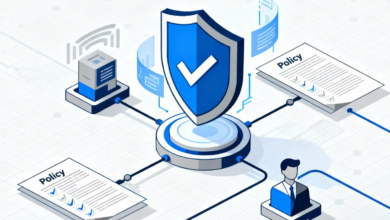
A clear incident plan means staff understand their next move when spotting a possible breach. Because there’s a direct way to report issues – alongside simple checklists and key phone numbers – the impact stays low while fixes happen faster.

The Role of Organizational Culture in Cybersecurity
Cybersecurity isn’t just about tech – culture plays a big role too. Bosses need to push smart habits through openness, responsibility, or teamwork. If workers get why it matters, they’ll actually pay attention and help keep things safe.
Concluding Remarks
Since working from home is growing, companies need to focus on online safety for their scattered staff. Use solid login methods, protect how people talk online, keep gadgets up to date – while also offering regular learning sessions. That way, firms can enjoy remote work perks while staying secure.