Cloud Network Security: How to Protect Your Business in the Cloud Era


Cloud computing has genuinely changed how businesses operate, hasn’t it? It offers fantastic flexibility and scale. But this shift brings with it some seriously complex challenges, making robust network security more critical than ever before. We’re talking about protecting your data, your applications, and all that infrastructure in these dynamic cloud environments. It’s absolutely essential for staying operational and, frankly, keeping your customers’ trust.
What is Cloud Network Security?
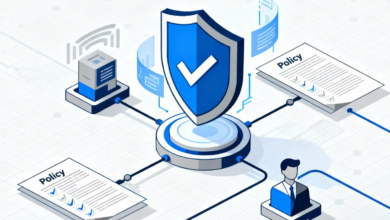
So, what exactly is cloud network security? Simply put, it’s every measure you put in place – technologies, policies, controls, processes – designed to shield your public, private, or hybrid cloud networks. We’re protecting against unauthorized access, sure, but also modification, misuse, or just plain exposure. It’s a huge job.

Why Cloud Network Security is Critical for Businesses
Look, good cloud network security isn’t just a “nice-to-have”; it’s a must. We’ve found it’s key for things like vastly better data protection, stopping advanced threats dead in their tracks, and helping you hit those all-important compliance targets. It brings a centralized approach to protection, giving you built-in security features and tools. Think about monitoring network activity, stopping breaches before they happen, and managing who can access what.
But it’s more than just that. A solid strategy actually ensures your business keeps running. It guards your vital systems and data against today’s cyber threats, minimizing downtime. And let’s be honest, minimizing the financial hit and reputation damage is something we all want, isn’t it?

Smart Moves for Solid Cloud Network Security
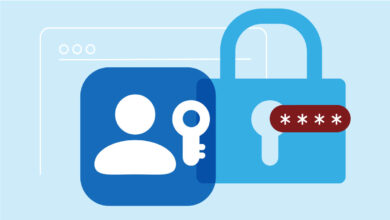
Building strong cloud network security really demands a multi-pronged approach. I believe one of the core strategies involves comprehensive Identity and Access Management (IAM). This makes sure only authorized people and systems can touch your resources. We’re talking multi-factor authentication (MFA) and, vitally, the principle of least privilege. Why give someone more access than they absolutely need?
Then there’s network segmentation and micro-segmentation. These are absolutely vital. They isolate your workloads and, crucially, stop attackers from moving freely across your network if they do get in. And encryption? It needs to be everywhere. Data at rest and data in transit – both must be encrypted. It’s fundamental for protecting sensitive information, even if a breach somehow occurs.

Putting Cloud Network Security into Practice
You’ve also got to perform regular security audits and vulnerability assessments. These aren’t just for compliance; they’re essential for uncovering weaknesses before the bad guys do. And automating your security configurations and patching? That’s a no-brainer. It drastically cuts down on human error and maintains a consistent, strong security posture across even the most dynamic cloud infrastructures.

Tackling Cloud Network Security’s Toughest Hurdles
Businesses face plenty of hurdles here. Managing those incredibly complex cloud environments is one, for sure. There’s also the persistent problem of skill gaps within teams, and of course, those constantly changing threats – things like simple misconfigurations or shadow IT can cause real headaches. So, what do you do?
Overcoming these issues means investing in employee training, adopting cloud-native security solutions that really fit your setup, and putting robust governance frameworks in place. We often find that for smaller and medium-sized enterprises, leveraging managed security services can make a huge difference. They get access to specialized expertise, bridging those internal skill deficits efficiently.

A Final Word on Cloud Network Security
Ultimately, proactive cloud network security isn’t just beneficial for businesses navigating our connected world; it’s absolutely indispensable. By truly understanding its crucial role, adopting robust strategies, and consistently adapting to new threats, organizations really can protect their valuable assets. It ensures you have a secure, resilient cloud environment.