Best Practices for Data Encryption in 2025

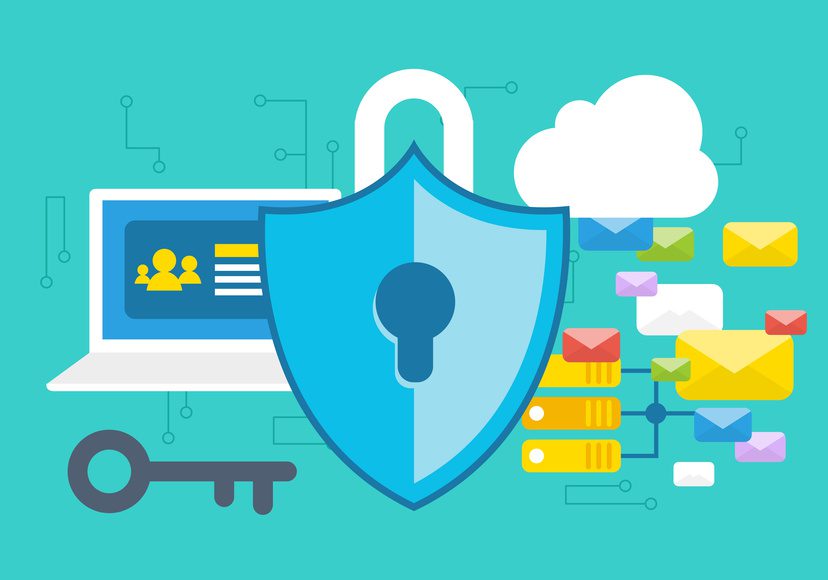
Considering the ever-changing face of the digital world, encryption of data has become one of the most crucial ways to protect sensitive information. In 2025, as cybersecurity threats continue to evolve in sophistication, organizations and individuals need to realize that encryption is no longer a choice; rather, it is an indispensable need. Strong encryption practices ensure privacy, security, and compliance in a world where cyberattacks are on the rise, regulations are getting more granular, and the cloud is fast becoming the new normal.
Understanding Modern Encryption Needs
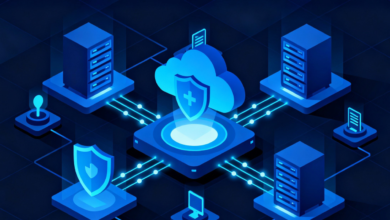
Today, encryption needs to go beyond merely scrambling data. It has to protect information in all three states: at rest, in transit, and even in use. Data is increasingly mobile, given the rise of remote work and seamless transitions to cloud services. This means systems of encryption will need to adapt to offer protection across networks, devices, applications, and different storage environments.
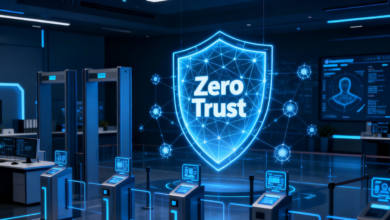
The modern trend in organizations is to adapt zero-trust frameworks where no device or user is trusted by default. Encryption plays a major role in enforcing this philosophy so that even when unauthorized access does take place, the data remains secure.
Use Strong and Updated Encryption Algorithms
Outdated algorithms include SHA-1 or MD5, which are no longer secure. The generally accepted and widely usable standards include AES-256, RSA-4096, and Elliptic Curve Cryptography in 2025. These will provide a greater degree of protection and resistance against new methods of attack. Besides, organizations should closely follow the development of quantum computing, as it might crack today’s encryption methods. Preparation for post-quantum cryptography is a long-term strategy now.
Implement EndtoEnd Encryption
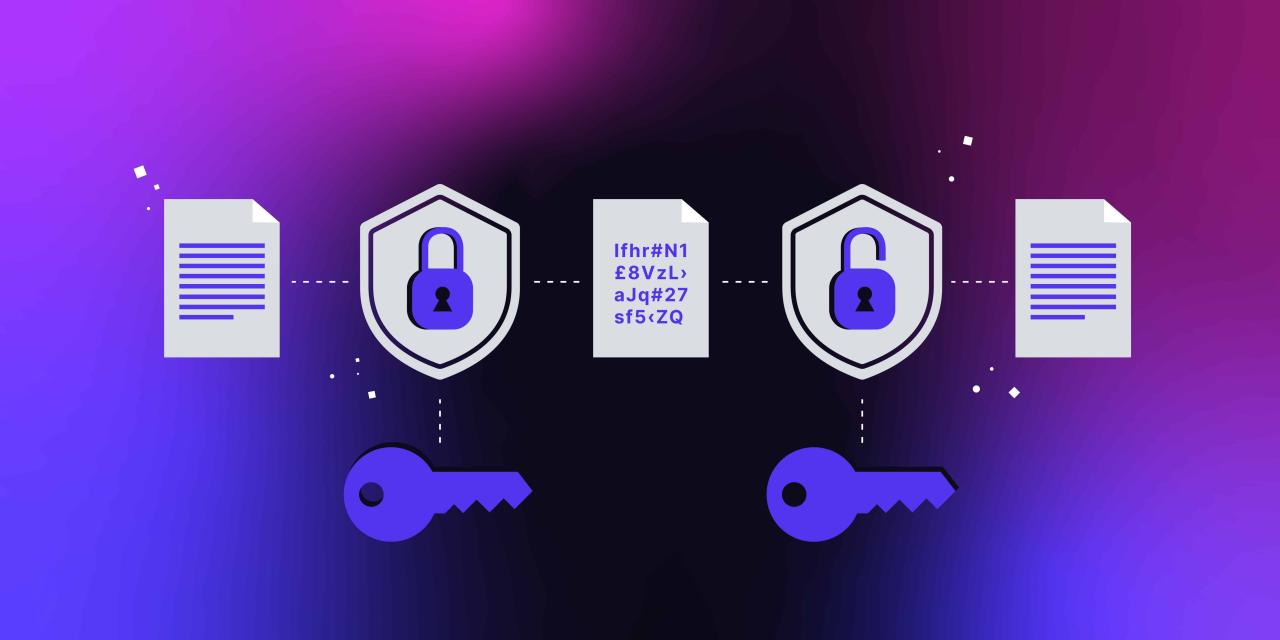
E2EE ensures that data can only be accessed by the sender and receiver and never by the service provider, government agencies, or any other kind of hacker. Because it represents one of the best ways in which data can be kept private, end-to-end encryption is used more and more by messaging platforms, cloud storage, and financial apps. E2EE should be the minimum that one should expect from all businesses that deal in sensitive data-for example, health care, finance, or legal industries.
Protect Encryption Keys Properly
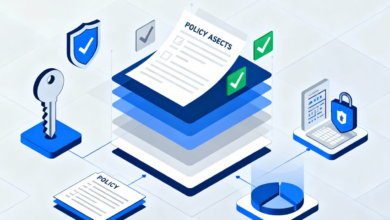
Even the most powerful encryption will be useless if a key exposure takes place. Key management has to include secure generation, storage, rotation, and access control. Additional layers of protection are afforded by Hardware Security Modules and cloud-based key management services. Automating the rotation of keys further minimizes risks caused by human mistakes or outdated configurations. Ensure Compliance and Regular Audits These regulations, such as GDPR, HIPAA, and CCPA, basically enforce encrypted data handling. The way in which organizations encrypt data must be documented, and regular audits should be performed. The encryption policies will require periodic reviews, particularly in view of emerging technologies. Penetration testing and security assessment help in discovering vulnerabilities and ensure that encryption techniques remain effective.

Closing Remarks
Data encryption in 2025 is a critical component of building digital trust. By leveraging robust algorithms, implementing proper end-to-end encryption, sound key management, and preparing for emerging threats like quantum computing, individuals and organizations can stay ahead of cyber risks. With the right practices, data remains safe, private, and secure in an increasingly connected world.